


Transform Lives: The Power of Therapy Dogs

Imagine walking into a room filled with tension and anxiety. Suddenly, a friendly dog bounds in, tail wagging and eyes sparkling with joy. This is not just any dog; this is a therapy dog, and its presence can transform the atmosphere in an instant. Therapy dogs have a unique ability to bring comfort, joy, and healing to those in need. In this blog post, we will explore the incredible impact therapy dogs have on individuals and communities, highlighting their roles in various settings and the science behind their effectiveness.
Therapy dogs are specially trained animals that provide emotional support and comfort to people in various situations. They are often found in hospitals, schools, nursing homes, and disaster relief areas. These dogs are not service animals, which are trained to assist individuals with disabilities. Instead, therapy dogs work with their handlers to provide comfort and companionship to those who may be struggling with mental health issues, physical ailments, or emotional distress.
The Science Behind the Bond
Research shows that interacting with dogs can lead to significant improvements in mental health. Studies have found that petting a dog can lower blood pressure, reduce stress, and increase levels of oxytocin, the hormone associated with bonding and love. This biological response explains why therapy dogs can have such a profound impact on individuals.
When people interact with therapy dogs, they often experience a sense of calm and relaxation. This is especially beneficial for those dealing with anxiety, depression, or trauma. The simple act of petting a dog can provide a distraction from negative thoughts and feelings, allowing individuals to focus on the present moment.
Therapy Dogs in Hospitals
One of the most common places to find therapy dogs is in hospitals. These furry companions visit patients, providing comfort during difficult times. For many patients, the presence of a therapy dog can make a world of difference.
For example, a study conducted at a children's hospital found that patients who interacted with therapy dogs reported lower levels of pain and anxiety. The dogs provided a sense of normalcy and joy in an otherwise stressful environment.
In addition to helping patients, therapy dogs also support hospital staff. Nurses and doctors often face high levels of stress, and spending time with a therapy dog can help them recharge and refocus.
Supporting Mental Health in Schools
Therapy dogs are also making a significant impact in schools. Many educational institutions have begun to incorporate therapy dogs into their programs to support students' mental health.
These dogs can help create a calming environment, making it easier for students to focus on their studies. They can also provide comfort to students dealing with bullying, anxiety, or other challenges.
For instance, a school in California introduced a therapy dog named Max. Max quickly became a beloved member of the school community. Students would visit him during breaks, finding solace in his presence. Teachers reported that students who interacted with Max showed improved behavior and increased engagement in class.
The Role of Therapy Dogs in Disaster Relief
In times of crisis, therapy dogs play a crucial role in providing emotional support to those affected by disasters. Whether it is a natural disaster, a mass shooting, or a personal tragedy, therapy dogs can help individuals cope with their feelings of fear and loss.
Organizations like the American Kennel Club and the Red Cross often deploy therapy dog teams to disaster sites. These teams provide comfort to survivors, first responders, and volunteers. The presence of a therapy dog can help people process their emotions and find a sense of hope amidst chaos.
Training and Certification
Not all dogs are suited for therapy work. Therapy dogs must undergo specific training to ensure they can handle various situations and environments. This training typically includes socialization, obedience, and exposure to different sounds and sights.
Handlers also play a vital role in a therapy dog's success. They must be patient, compassionate, and skilled in reading both the dog's and the client's body language. Many organizations offer certification programs for therapy dog teams, ensuring they meet the necessary standards for providing support.
Personal Stories of Transformation
The impact of therapy dogs can be best understood through personal stories.
Take the case of Sarah, a young woman who struggled with severe anxiety. After years of therapy, she was introduced to a therapy dog named Bella. Bella's gentle nature and unwavering support helped Sarah feel safe and understood. Over time, Sarah learned to manage her anxiety better, thanks in part to her bond with Bella.
Another inspiring story is that of Tom, a veteran dealing with PTSD. After returning from service, Tom found it challenging to reintegrate into civilian life. A therapy dog named Buddy was introduced to him through a local program. Buddy provided Tom with companionship and a sense of purpose. Their bond helped Tom navigate his struggles and find joy in everyday life again.
The Future of Therapy Dogs
As awareness of the benefits of therapy dogs continues to grow, more organizations are incorporating them into their programs. From hospitals to schools, therapy dogs are becoming an essential part of the support system for individuals facing various challenges.
The future looks bright for therapy dogs. With ongoing research and increased recognition of their benefits, we can expect to see more therapy dog programs emerging in different settings.
How to Get Involved
If you are interested in the world of therapy dogs, there are several ways to get involved.
Volunteer: Many organizations are always looking for volunteers to help with therapy dog programs. You can assist with training, fundraising, or outreach efforts.
Become a Handler: If you have a well-behaved dog and a passion for helping others, consider becoming a therapy dog handler. Look for local organizations that offer training and certification programs.
Advocate: Spread the word about the benefits of therapy dogs. Share stories and information on social media, or talk to friends and family about how therapy dogs can make a difference.
Support Local Programs: Many therapy dog programs rely on donations and community support. Consider contributing to local organizations that provide therapy dog services.
A Heartfelt Connection
The bond between humans and therapy dogs is truly special. These remarkable animals have the power to heal, comfort, and transform lives. Whether in a hospital, school, or disaster relief setting, therapy dogs provide a sense of hope and joy to those who need it most.
As we continue to recognize the importance of mental health and emotional well-being, therapy dogs will undoubtedly play a vital role in supporting individuals and communities. Their unwavering love and support remind us of the simple joys in life and the healing power of companionship.
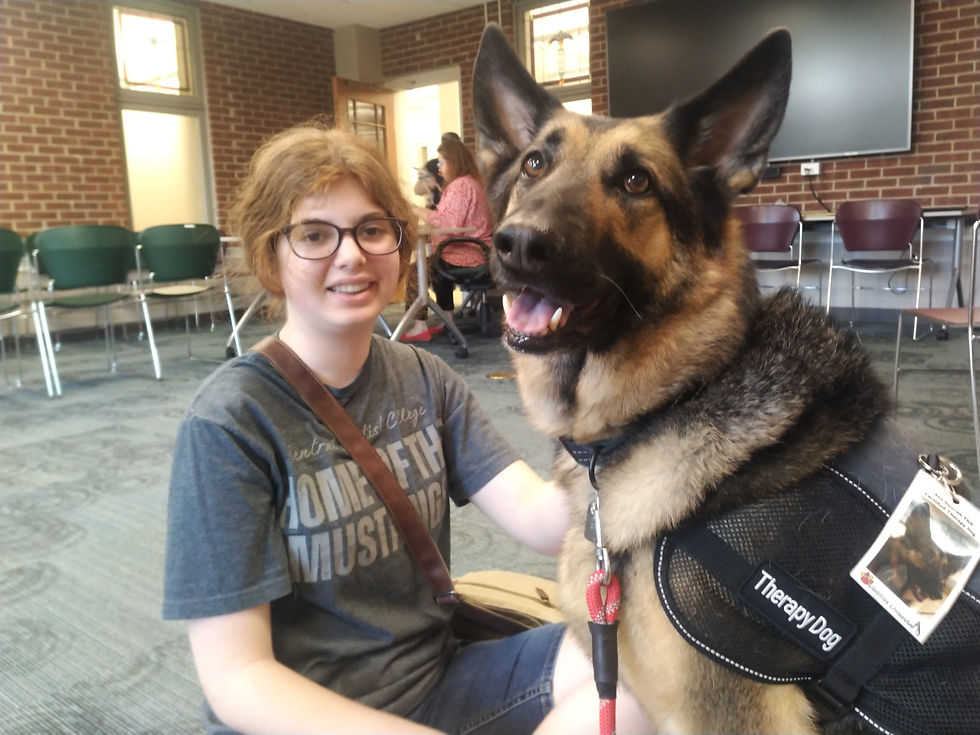
In a world that can often feel overwhelming, therapy dogs shine as beacons of hope. They remind us that love and connection can come in many forms, and sometimes, all we need is a furry friend by our side.


Comments