


Join Us: Support Local Therapy Dog Training

Therapy dogs have a special place in our hearts. They bring comfort, joy, and healing to those in need. Whether it is in hospitals, schools, or nursing homes, these furry friends make a significant impact. But behind every therapy dog is a dedicated trainer who has worked hard to prepare them for their important role. Today, we invite you to join us in supporting local therapy dog training programs. Together, we can make a difference in our community.
What is Therapy Dog Training?
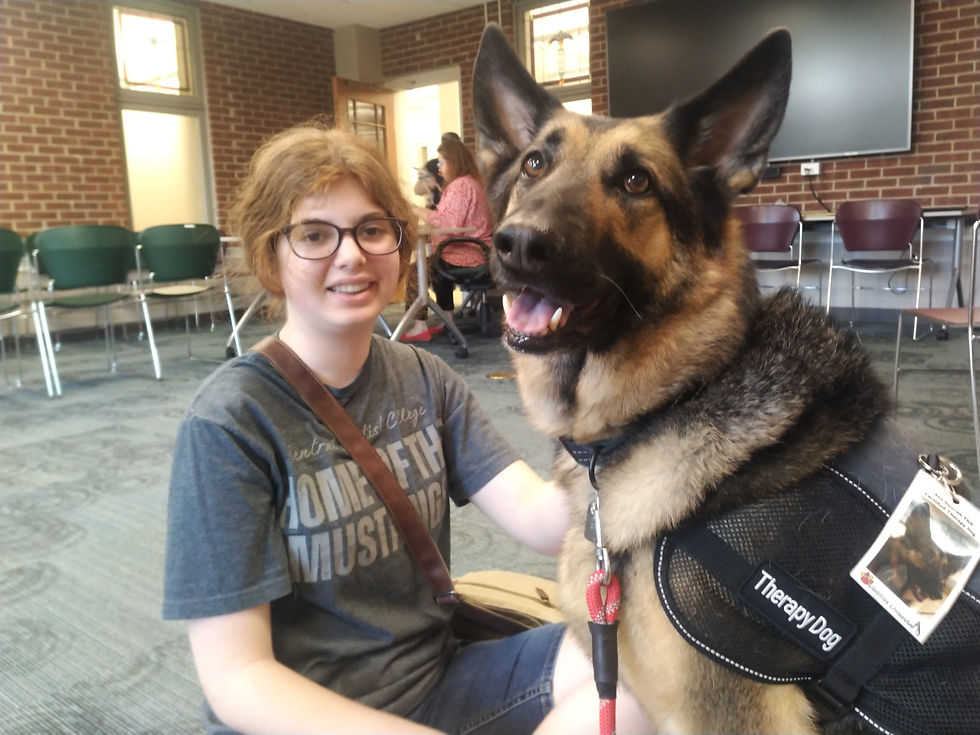
Therapy dog training is a process that prepares dogs to provide comfort and support to people in various settings. Unlike service dogs, which are trained to perform specific tasks for individuals with disabilities, therapy dogs are trained to interact with many people. They help reduce stress, anxiety, and loneliness.
The Training Process
The training process for therapy dogs typically includes several key components:
Basic Obedience: Dogs must learn basic commands like sit, stay, and come. This foundation is crucial for their safety and the safety of others.
Socialization: Therapy dogs need to be comfortable around different people and environments. This includes exposure to various sounds, sights, and smells.
Desensitization: Dogs must learn to remain calm in busy or stressful situations. This helps them stay focused on their work.
Specialized Skills: Depending on the setting, therapy dogs may need to learn specific skills, such as how to interact gently with children or how to remain calm in a hospital environment.
Why Support Local Therapy Dog Training?
Supporting local therapy dog training programs is essential for several reasons.
1. Community Impact
Therapy dogs provide invaluable support to our community. They visit hospitals, schools, and senior centers, bringing joy to those who need it most. By supporting training programs, you help ensure that more dogs can be trained to serve in these vital roles.
2. Mental Health Benefits
The presence of therapy dogs has been shown to reduce stress and anxiety. Studies indicate that interacting with a dog can lower blood pressure and increase feelings of happiness. By supporting training programs, you contribute to the mental well-being of many individuals.
3. Building Relationships
Therapy dogs help build connections between people. They create opportunities for social interaction, especially for those who may feel isolated. Supporting training programs means more dogs can help foster these important relationships.
How You Can Help
There are many ways you can support local therapy dog training programs. Here are some ideas:
1. Volunteer Your Time
Many training programs rely on volunteers to help with training sessions. If you love dogs and have some spare time, consider volunteering. You can assist trainers, help socialize dogs, or even provide administrative support.
2. Donate
Financial contributions are always welcome. Donations help cover the costs of training materials, facilities, and other expenses. Even a small donation can make a big difference.
3. Spread the Word
Share information about local therapy dog training programs with your friends and family. The more people know about these programs, the more support they can receive. Use social media to raise awareness and encourage others to get involved.
4. Attend Events
Many training programs host events to raise funds and awareness. Attend these events to show your support. You can meet trainers, learn more about the training process, and even interact with therapy dogs.
Success Stories
Hearing success stories can inspire others to support therapy dog training. Here are a few examples of how therapy dogs have made a difference:
1. Hospital Visits
In a local hospital, therapy dogs visit patients recovering from surgery. One patient, who had been feeling lonely and anxious, found comfort in a gentle golden retriever named Max. Max’s presence helped the patient relax and even encouraged them to engage with the staff.
2. School Programs
In schools, therapy dogs help students cope with stress and anxiety. A young girl struggling with reading found confidence when reading to a therapy dog named Bella. Bella listened patiently, providing a non-judgmental space for the girl to practice her skills.
3. Senior Centers
At a senior center, therapy dogs bring joy to residents. One elderly man, who had lost his wife, found companionship in a therapy dog named Charlie. Their bond helped him feel less isolated and more connected to the community.
The Role of Trainers
Trainers play a crucial role in preparing therapy dogs for their work. They are responsible for teaching the dogs essential skills and ensuring they are well-behaved in various environments.
1. Patience and Dedication
Training a therapy dog requires patience and dedication. Trainers spend countless hours working with each dog, ensuring they are ready for their important role.
2. Understanding Dog Behavior
Trainers must understand dog behavior and body language. This knowledge helps them identify any issues that may arise during training and address them effectively.
3. Building Trust
A strong bond between the trainer and the dog is essential. Trainers work to build trust, ensuring the dog feels safe and confident in their abilities.
The Future of Therapy Dog Training
As awareness of the benefits of therapy dogs grows, so does the need for trained dogs. Local therapy dog training programs are essential for meeting this demand.
1. Expanding Programs
Many programs are looking to expand their reach. This includes training more dogs and offering services in new locations. Your support can help make this a reality.
2. Community Partnerships
Building partnerships with local organizations can enhance the impact of therapy dog training programs. Collaborations with schools, hospitals, and mental health facilities can create more opportunities for therapy dogs to serve.
3. Continued Education
Ongoing education for trainers is vital. As new research emerges about the benefits of therapy dogs, trainers must stay informed to provide the best training possible.
Join Us in Making a Difference
Supporting local therapy dog training programs is a meaningful way to give back to your community. Whether you choose to volunteer, donate, or spread the word, your efforts can help bring comfort and joy to those in need.
Together, We Can Create Change
Imagine a world where every person in need has access to the comfort of a therapy dog. With your support, we can make this vision a reality. Join us in supporting local therapy dog training programs and help us create a brighter future for our community.

Every small action counts. Together, we can make a significant impact. Let’s work hand in paw to support the incredible work of therapy dog training programs. Your involvement can change lives, one wagging tail at a time.

Comments